

The Truth About “Good Taste” and Color
What we call “good taste” is often structure, experience, and awareness in disguise.
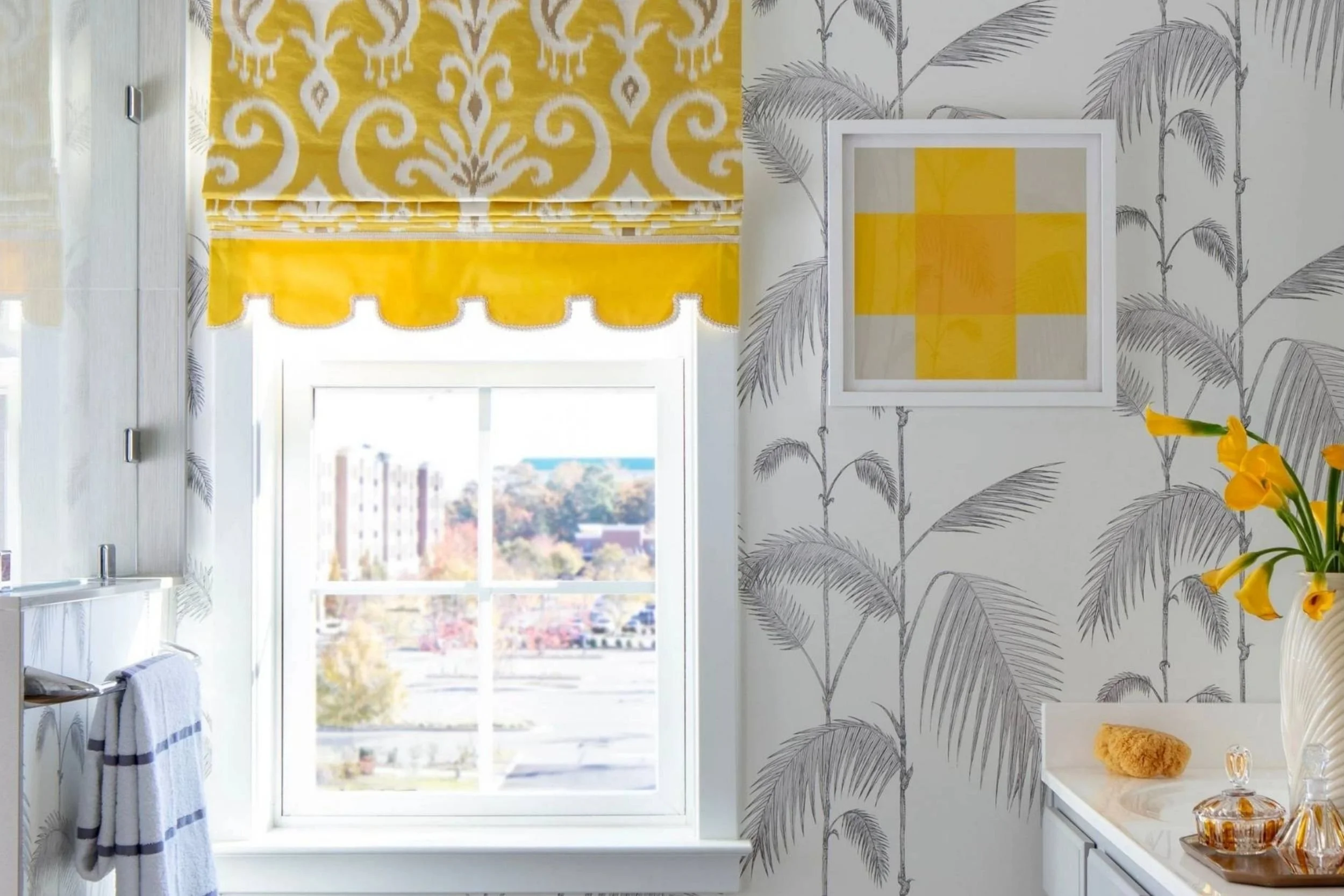
Yellow color accents pop against the gray palm wallpaper in this bathroom.
Many people think that good taste in color is something you’re born with, that you either have an eye for it or you don’t. But the truth is much simpler. A good sense of interior color isn’t about instinct or talent; it’s developed by understanding how light, undertones, and setting all work together in real homes. This article examines why confidence with color often comes from experience rather than natural ability, how second-guessing can build discernment, and how clear, practical principles can make thoughtful color choices accessible to anyone willing to learn.
The Myth of Having a “Natural Eye” for Color
What people often call a “natural eye for color” is usually experience. People who seem confident in choosing paint colors have spent time observing how color behaves in real spaces, how it changes under different lighting, how undertones interact, and how colors relate across a home. That familiarity creates confidence. Not talent.
Good taste isn’t about bold color choices or dramatic statements. In interior design, good taste often shows up as restraint. Knowing when color should be subtle. Understanding when it should support the space rather than dominate it. Homes with a strong color taste tend to feel calm, intentional, and easy to live in, rather than overstimulating.
Why Second-Guessing Doesn’t Mean You Have Bad Taste
If you doubt your color choices, that’s not evidence of bad taste. It’s often evidence of awareness. People developing color confidence tend to notice nuance, care deeply about how a space feels, and want their choices to make sense. Doubt is part of learning discernment.
Taste Depends on Context, Not Rules Alone
There is no universally “good” paint color. A color that works beautifully in one home may feel wrong in another because interior color choices depend on light, architecture, scale, and how a space is used. Good taste understands context. It doesn’t apply color in isolation.
How Color Rules Help Build Good Taste
Rules don’t limit creativity; they teach it. When you understand why certain colors feel calm together, and others feel tense, your decisions stop feeling random. You’re no longer guessing; you’re using structure. This is the foundation of Bridget Beari Color Rules: making the principles behind good taste visible, learnable, and accessible.
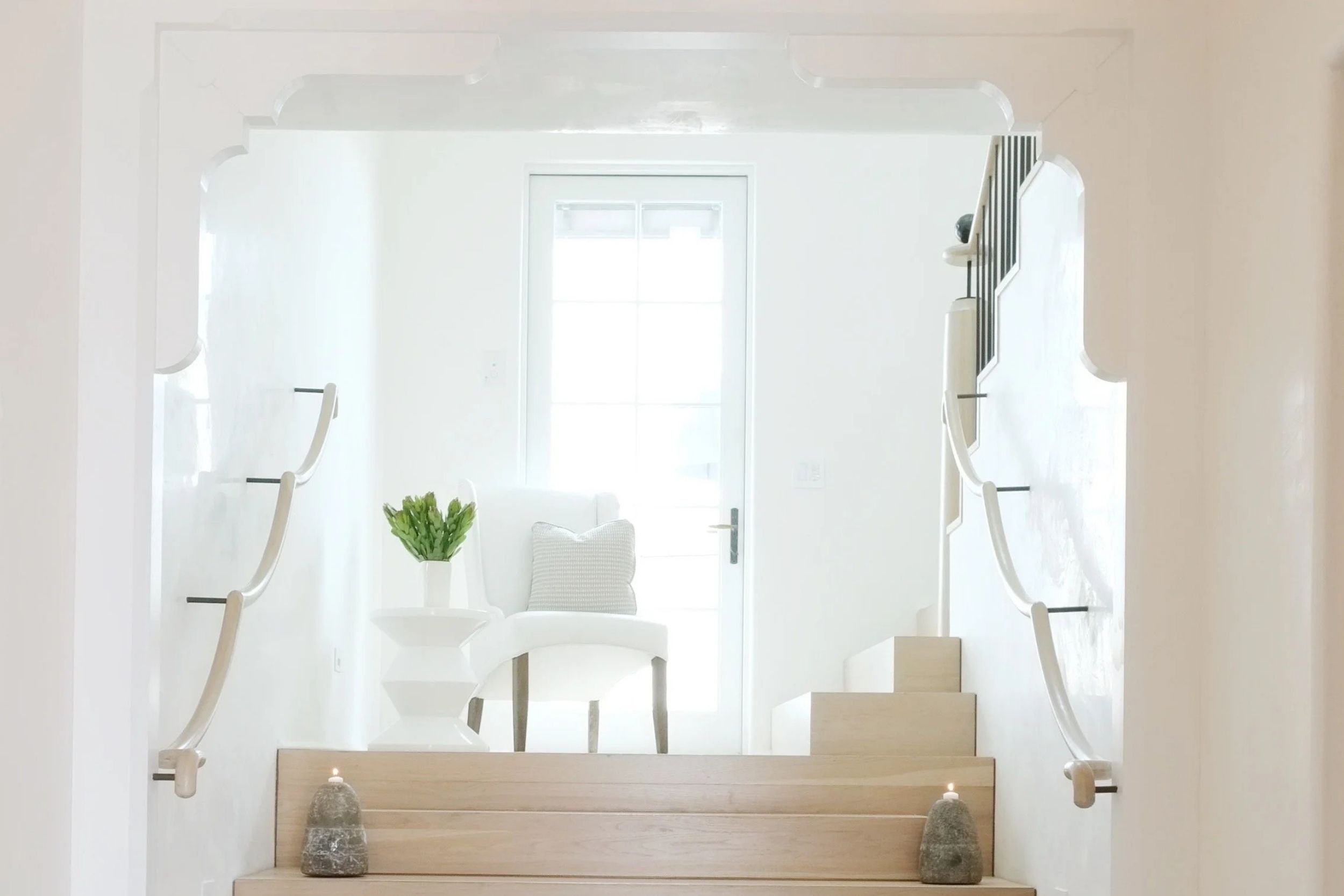
Drenching this space in white creates a bright, crisp atmosphere in this foyer.
Frequently Asked Questions About Good Taste and Color
-
There isn't a single perfect paint color for every home. The right choice depends on your home’s lighting, architecture, size, and how you use the space.
-
Confidence naturally develops as you practice and create structure in your learning. Exploring how undertones interact, observing how light changes color, and understanding how rooms relate to each other all help you gain clarity gradually. Keep at it, and you'll see your confidence blossom!
Developing Color Taste Takes Practice
Good taste isn’t proven by never making mistakes. It develops through thoughtful decision-making, living with color, noticing how it feels, and adjusting over time. Each choice builds experience, and experience builds confidence. Good taste in color isn’t perfection. It’s awareness. Care. A willingness to learn.
It’s choosing paint colors that support how you live, rather than chasing approval or trends. And most importantly, it’s understanding that color confidence is a skill you’re allowed to develop. That belief sits at the heart of Bridget Beari Color Rules. Because good taste shouldn’t feel mysterious or exclusive. It should be learnable, and I hope you will use my book to guide you.